Serving Rowlett
Pipe Lining (CIPP) in Rowlett
Call us for a free pipe lining (cipp) estimate
Serving Rowlett
Call us for a free pipe lining (cipp) estimate
CIPP lining, short for cured-in-place pipe, creates a new pipe surface inside the existing sewer line. A resin-saturated liner is inserted, expanded, and cured so it bonds into a smooth inner wall.
For Garland homes with clay or cast iron pipe that is cracked, root-prone, or rough inside but not collapsed, lining can be a strong alternative to digging up the entire lateral. It is useful where the line runs under landscaping, patios, or sections that would be expensive to excavate.
Lining is not a universal fix. If the pipe has collapsed, flattened orangeburg material, severe belly problems, or a major grade failure, the liner may not solve the issue. The camera inspection decides whether the existing pipe can act as the host.
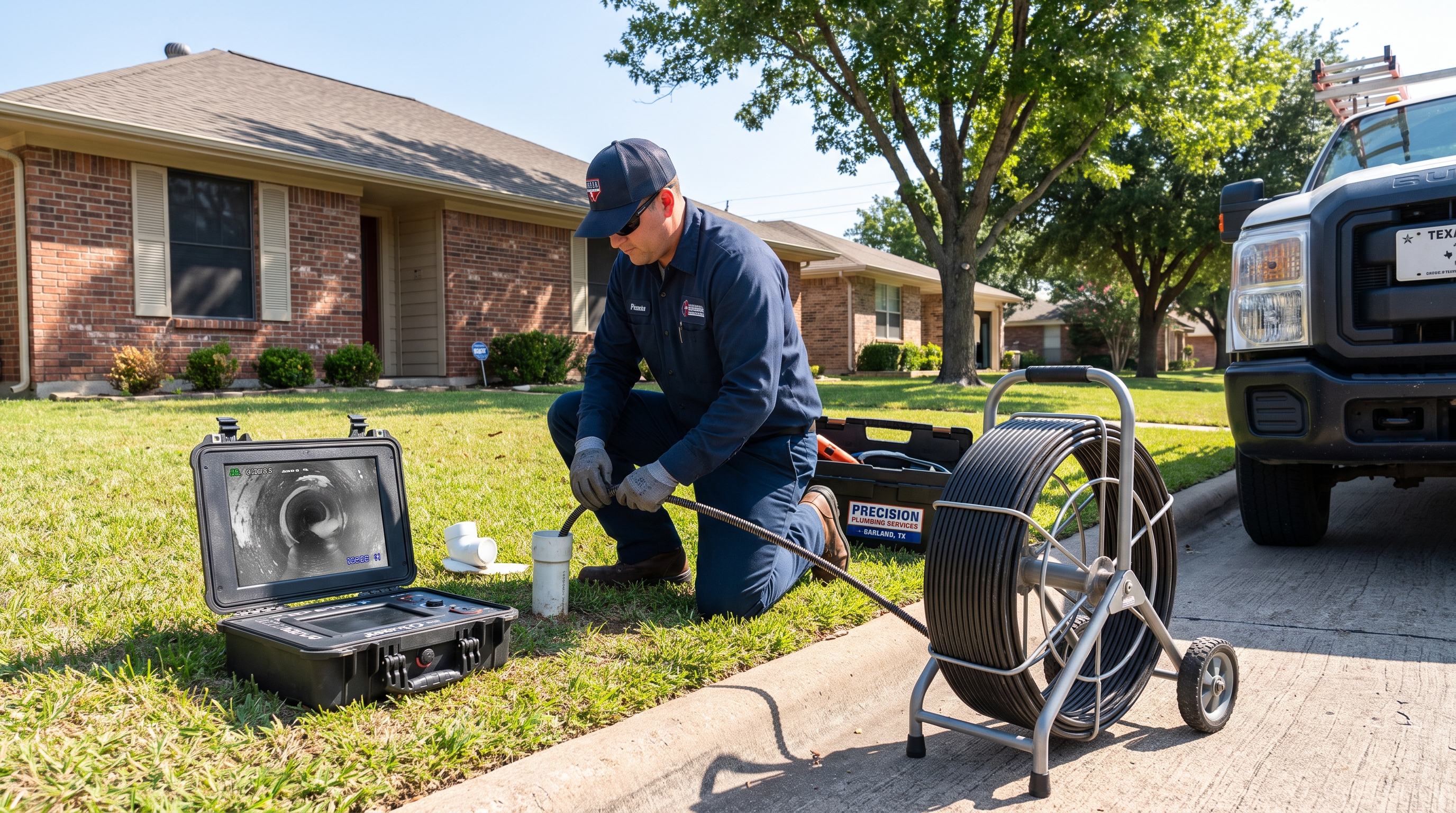
Before lining, the pipe needs a thorough cleaning so the liner seats against the pipe wall. Roots, scale, and sludge have to be removed before the new internal wall is installed.
Rowlett homes can face sewer issues tied to clay soil movement, mature trees, and underground lines that have shifted over time. Pipe bellies and offset joints can trap waste and create recurring clogs even when the line is not fully collapsed.
Near Lake Ray Hubbard and surrounding residential pockets, sewer routes may run beneath lawns, driveways, or established landscaping. Camera inspection and locating make it easier to decide whether jetting, lining, pipe bursting, or replacement is the better fit.
CIPP is a smart option only when the host pipe is stable enough. Contractors should explain why a line can be lined or why pipe bursting or replacement would hold up better.
Many Garland sewer lines have root entry at clay joints without full collapse. Lining can seal those joints and smooth the inside of the line when conditions are right.
Find out whether your Garland sewer line is a candidate for CIPP lining.
Free — no obligations