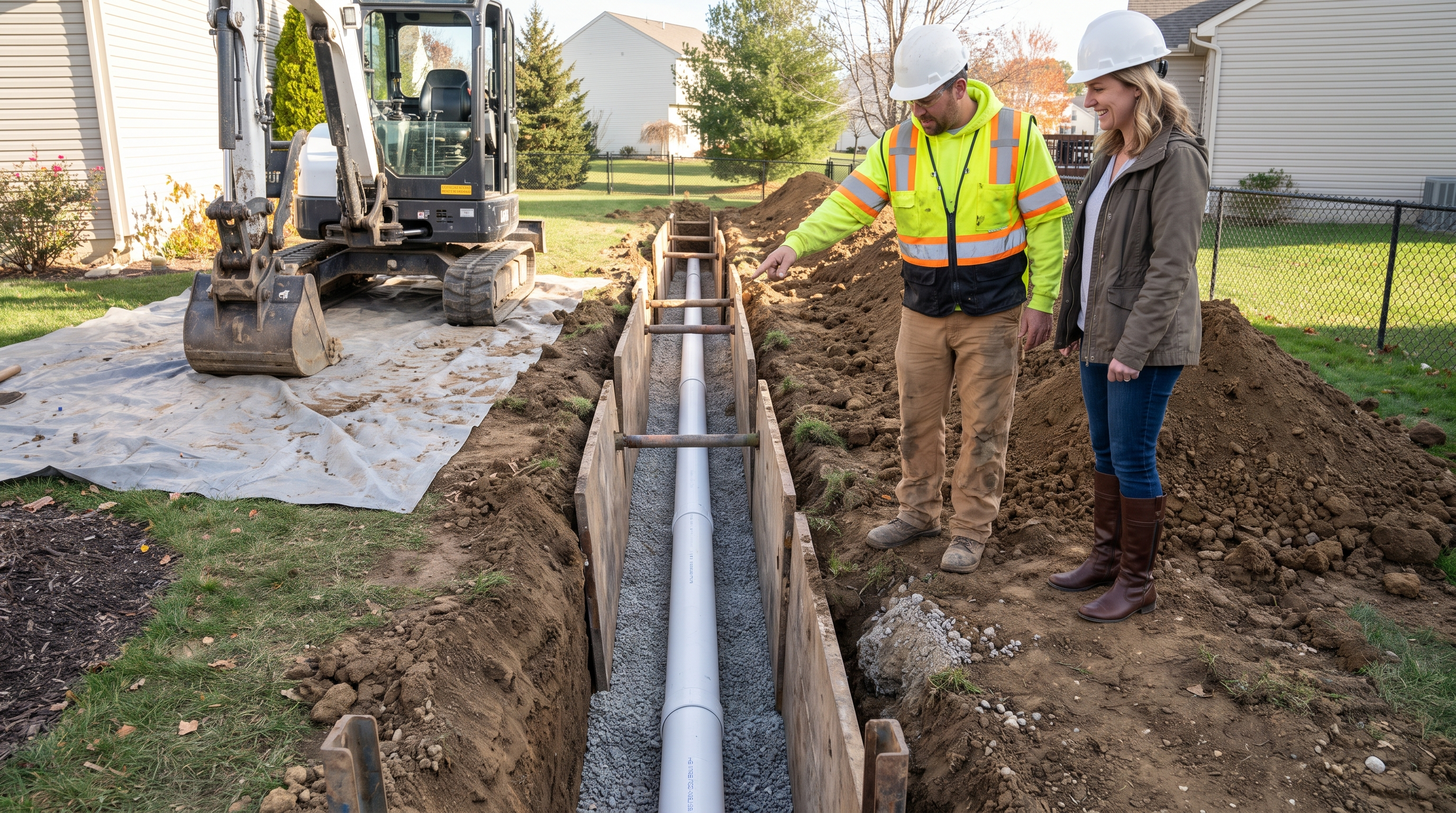
Garland's Pipe Lining (CIPP) Specialists
CIPP Pipe Lining for Garland Sewer Repairs
Repair cracked or root-prone sewer pipe from the inside when the existing line can still support a liner.
Garland's Pipe Lining (CIPP) Specialists
Repair cracked or root-prone sewer pipe from the inside when the existing line can still support a liner.
CIPP lining, short for cured-in-place pipe, creates a new pipe surface inside the existing sewer line. A resin-saturated liner is inserted, expanded, and cured so it bonds into a smooth inner wall.
For Garland homes with clay or cast iron pipe that is cracked, root-prone, or rough inside but not collapsed, lining can be a strong alternative to digging up the entire lateral. It is useful where the line runs under landscaping, patios, or sections that would be expensive to excavate.
Lining is not a universal fix. If the pipe has collapsed, flattened orangeburg material, severe belly problems, or a major grade failure, the liner may not solve the issue. The camera inspection decides whether the existing pipe can act as the host.
Before lining, the pipe needs a thorough cleaning so the liner seats against the pipe wall. Roots, scale, and sludge have to be removed before the new internal wall is installed.
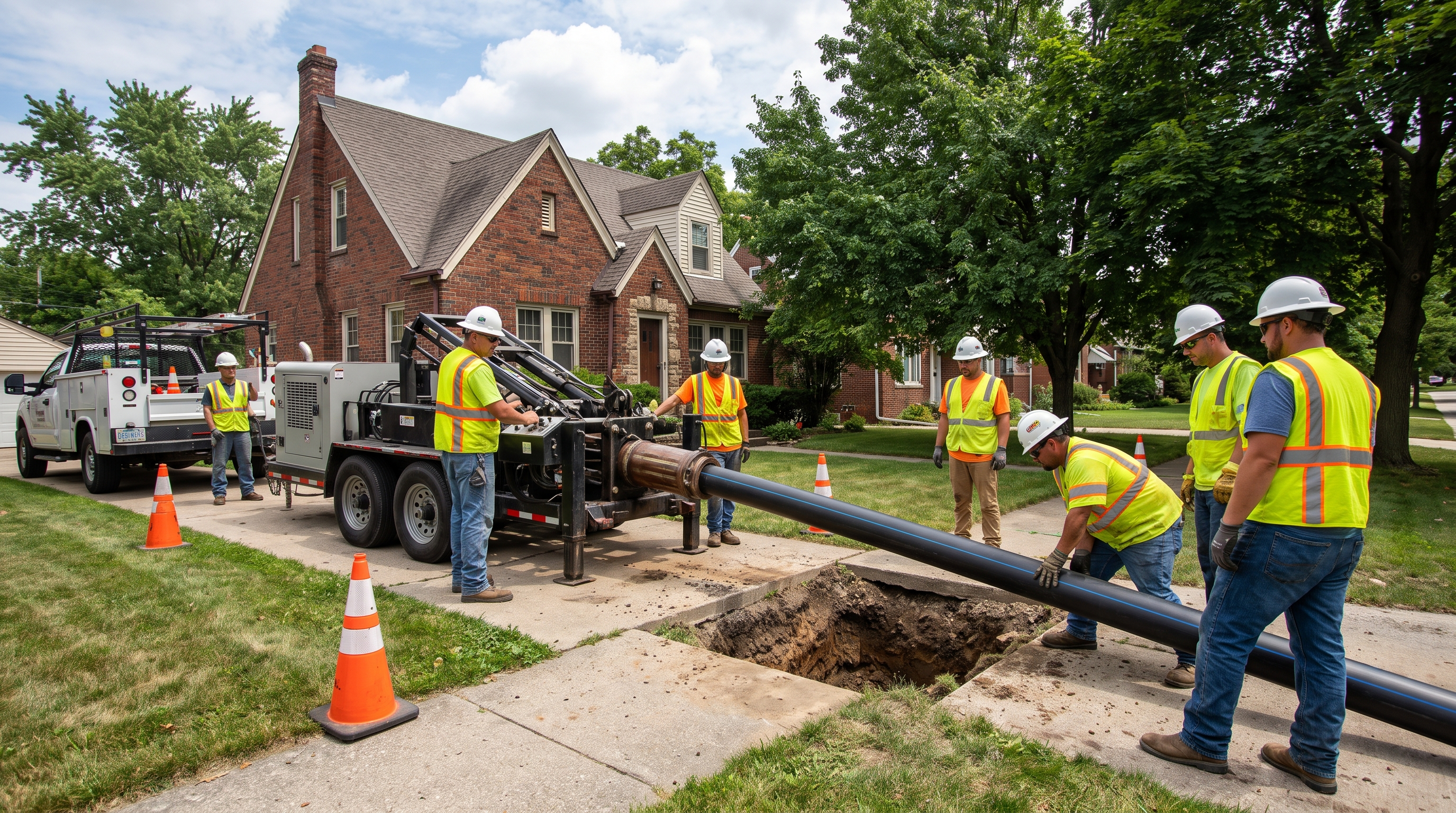
CIPP work depends on preparation, pipe condition, and proper curing so the liner forms a durable internal repair.
The contractor confirms that the sewer line is not collapsed and that the pipe shape can support a liner. Bellies, large separations, and severe deformation get close review.
Roots, buildup, and internal scale are cleared before installation. A clean host pipe helps the liner cure with fewer defects.
The resin liner is inserted, expanded, and cured in place. After curing, the line is inspected again to verify the finished repair.
CIPP is a smart option only when the host pipe is stable enough. Contractors should explain why a line can be lined or why pipe bursting or replacement would hold up better.
Many Garland sewer lines have root entry at clay joints without full collapse. Lining can seal those joints and smooth the inside of the line when conditions are right.
Find out whether your Garland sewer line is a candidate for CIPP lining.
Free — no obligations
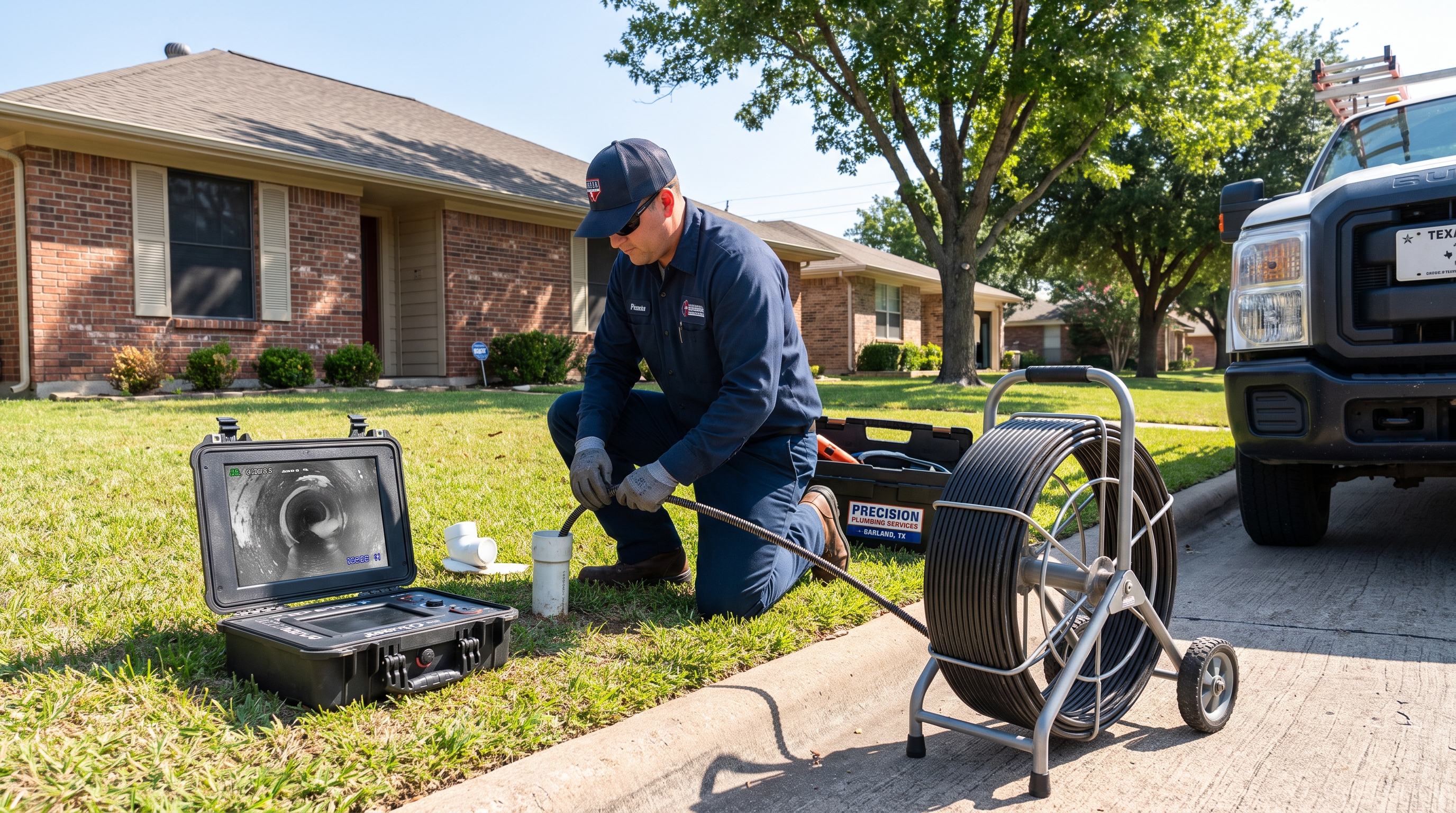
A camera inspection confirms material, shape, damage, and whether lining is possible.
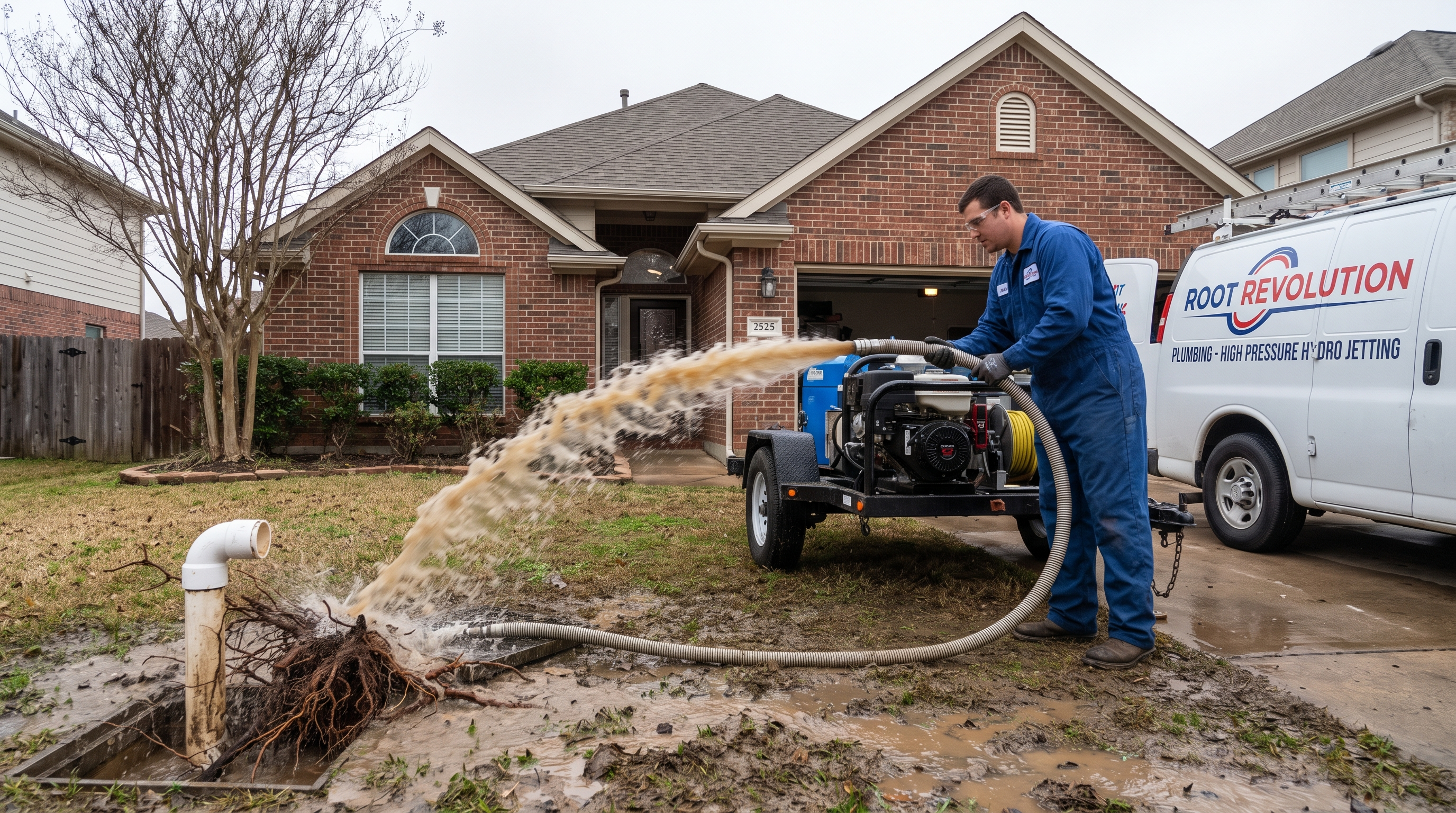
The line is cleared of roots, sludge, mineral buildup, and scale so the liner has a proper surface.
The resin liner is placed and expanded inside the existing pipe to create a new internal wall.
The liner cures in place, then the contractor re-scopes the sewer to document the completed repair.